
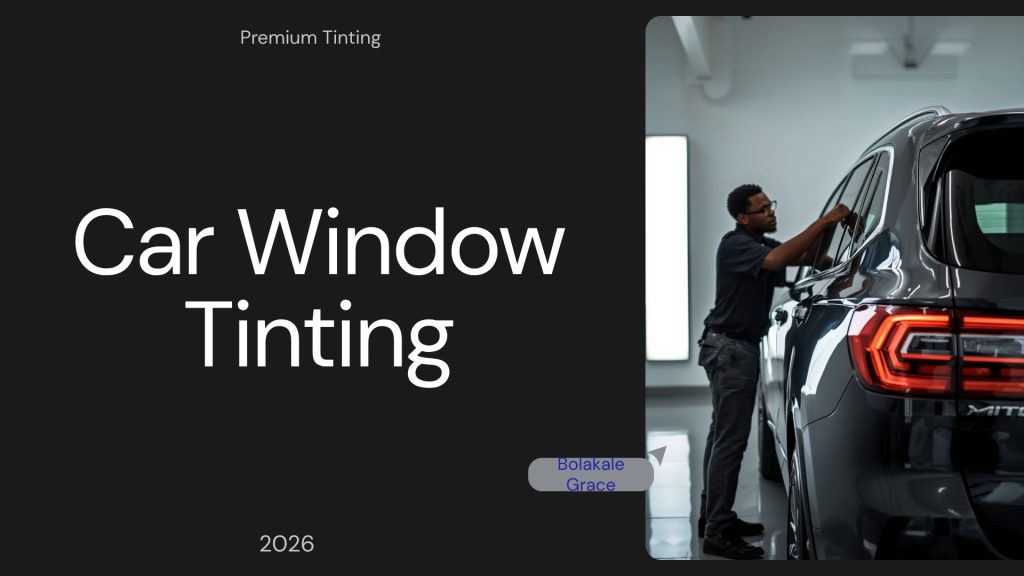
Lagos traffic will bake you alive without tint. So will Abuja’s dry season sun, or a bus ride through Port Harcourt at midday. That’s the real reason most Nigerian drivers tint their windows, not just for the look, but for privacy, heat relief, and some protection for their dashboard and upholstery from UV damage.
Prices vary a lot depending on what you’re driving and what film you choose. Expect to pay anywhere from ₦30,000 for a basic sedan job to ₦250,000 or more for a full ceramic tint on a van or SUV. For context, drivers overseas report paying $300–$600 (roughly ₦450,000–₦900,000) for a comparable ceramic job. Nigeria’s market is considerably cheaper, but that lower price often comes with a shorter warranty, or none at all.
How Much Does It Cost to Tint Car Windows in Nigeria?
Your final bill comes down to two things: the size of your vehicle and the film you pick. Here’s what that looks like in practice.
Car Window Tint Price List
| Vehicle Type | Price Range |
|---|---|
| Sedans | ₦30,000 – ₦70,000 |
| SUVs | ₦80,000 – ₦200,000 |
| Vans & buses | ₦120,000 – ₦250,000+ |
These ranges cover the full spread from entry-level dyed film to premium ceramic. Drivers who’ve compared tint types on forums like Reddit consistently land on the same conclusion: ceramic costs more upfront, but the heat rejection and lifespan make it the one that’s actually worth paying for.
What Affects Car Tinting Prices?
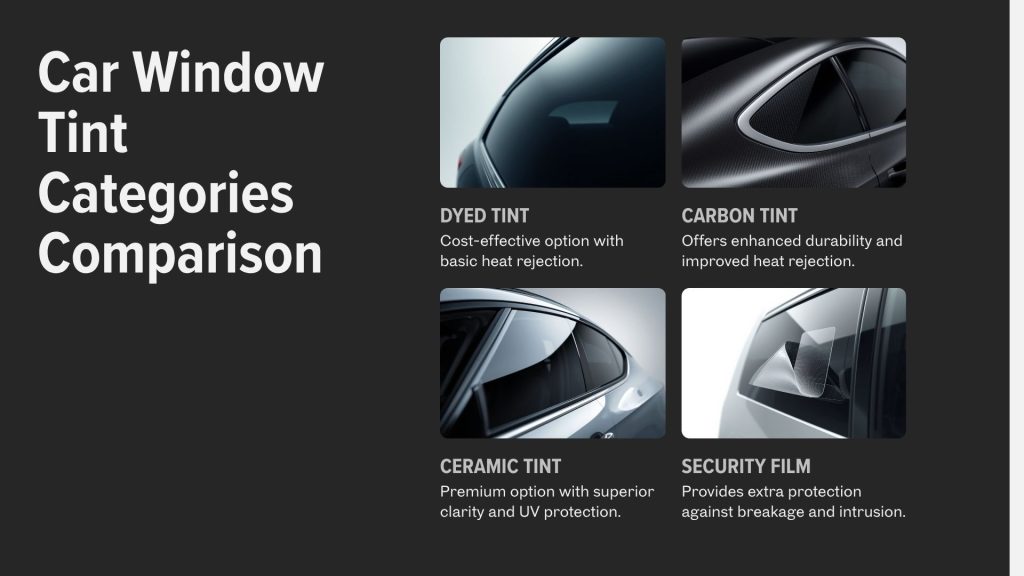
**4** factors move the price up or down:- Film type. Dyed film sits at the bottom, carbon in the middle, ceramic and security films at the top.
- Vehicle size. More glass means more film and more labor. An SUV or bus costs more to tint than a sedan simply because there’s more surface area to cover.
- Installer expertise and location. Premium shops in Lagos charge a premium. You’ll find more budget-friendly options in places like Onitsha or Surulere, though quality varies more widely there too.
- Film brand. International names like 3M, LLumar, and SunTek cost more than generic, unbranded film, but they also come with better warranties and more consistent quality.
That last point matters more than most drivers realize. Cheap, unbranded film from a shop with no track record is where the complaints start: bubbling within months, uneven cuts around the edges, or tint that fades to purple within a year. It’s a common thread in driver discussions online, the shops offering the lowest price are often the ones cutting corners on the film itself.
What’s Included in Car Window Tinting Prices?
A tint quote isn’t just paying for the roll of film. It typically covers:
- Film cost , the material itself, priced per roll or per vehicle package.
- Installation labor , cutting, fitting, and curing the film onto each window.
- Warranty , coverage against bubbling, peeling, or discoloration, where the shop offers one.
- Optional extras , removing old, damaged tint before reinstalling, or tinting the windshield strip, both usually billed separately.
Always ask what’s included before you agree to a price. A shop quoting ₦40,000 with no warranty and a shop quoting ₦55,000 with a two-year warranty aren’t really competing on the same terms.
Types of Car Window Tint and Their Prices
Dyed Window Tint
This is the cheapest film on the market, and it shows. Dyed tint uses a layer of dye sandwiched between adhesive and a protective coating, which gives you the dark look without much heat rejection. It also fades over time, often turning a dull purple-brown within a year or two of Nigerian sun exposure. It’s rarely the film experienced drivers recommend once they’ve tried something better.
Carbon Window Tint
Carbon film takes the middle seat. It blocks more heat than dyed film, resists fading, and doesn’t carry the metallic flecks that interfere with phone or GPS signals. For drivers who want a noticeable upgrade without paying ceramic prices, this is usually the sweet spot.
Ceramic Window Tint
Ceramic is the premium option, and it costs 3–5 times more than dyed film. What you get for that price: sharper clarity, the best heat rejection of any film type, and no signal interference , a real advantage over older metallic films that can mess with radio and GPS reception. It’s the film drivers point to most often when asked what they’d choose if they were tinting again.
Security / Fortification Film
This is a thicker, reinforced film built to hold shattered glass together on impact. It costs more than standard ceramic in most cases, but the price buys added protection rather than just heat or privacy benefits , a different kind of investment than the other three.
Why Is Ceramic Tint More Expensive?
Three things drive the price up. First, ceramic film uses nano-ceramic particles instead of dye or metal to block heat, and that technology costs more to manufacture. Second, it improves night visibility and cuts down glare from oncoming headlights , something dyed and even carbon film can’t match. Third, ceramic film simply lasts longer, and shops that use quality ceramic tend to back it with stronger warranties, which pushes the price up but lowers your odds of paying to redo the job in two years.
Front Window vs Full Car Tint: What’s the Price Difference?
Most drivers stop at the side and rear windows. Tint the front windshield too, and you’ll add another ₦15,000 – ₦50,000 to your bill, depending on the film and the shop. That’s a meaningful jump, but it’s not unique to Nigeria , drivers abroad report paying an extra $135–$250 just for windshield coverage. The front glass takes more skill to fit cleanly, and installers price that skill in.
Understanding VLT (Visible Light Transmission)
VLT tells you how much light your tint lets through. A film rated at 5% is nearly black; one at 50% barely darkens the glass at all. Go too dark , anywhere in the 5–20% range , and you’ll get maximum privacy, but you’ll also lose visibility once the sun goes down. Most drivers who’ve tested a few percentages land on 20% VLT as the sweet spot: dark enough to keep prying eyes out, light enough that you’re not straining to see at night.
How Long Does Car Window Tint Last?
How long your tint holds up depends entirely on what you paid for:
- Dyed film: 2–3 years before it starts fading or bubbling
- Carbon film: 5+ years with proper care
- Ceramic film: 10+ years, often backed by a warranty to match
Abroad, lifetime warranties on ceramic tint are common enough that drivers treat them as standard, not a bonus. Nigerian shops are catching up, but always ask before you pay , a warranty changes the real cost of the job.
Does More Expensive Tint Actually Offer Better Value?
Not always in the way you’d expect. Dyed film costs less on day one, but you’ll likely replace it twice before a ceramic job needs a second look. Ceramic costs more upfront , sometimes three to five times more , but it holds its clarity, rejects more heat, and tends to add to your car’s resale value rather than detract from it. Judge it by cost per year, not cost per install, and ceramic usually wins.
The Cost of Professional Installation
Labor alone adds ₦10,000 – ₦30,000 on top of the film cost. It’s tempting to shave that off with a roadside fitter, but skip it at your own risk. Drivers who’ve been burned by bad installs point to the same two problems every time: bubbling within weeks, and edges that peel the first time it rains. A professional shop costs more upfront because they’re the ones who keep the film flat and the edges sealed.
The Tinted Glass Permit in Nigeria
Before you book an appointment, know that tinting your windows in Nigeria comes with a legal step a lot of drivers skip , and pay for later.
Is Car Window Tinting Legal in Nigeria?
Yes, but only with a permit from the police, which currently costs around ₦15,000. Tint without one, and you’re driving with a violation the moment you leave the shop.
Do You Need a Permit for Aftermarket Tint?
Yes. If you’ve had tint fitted after buying the car, the permit still applies to you , and enforcement has picked up through 2025, so this isn’t a rule worth gambling on.
What About Factory-Fitted Tinted Glass?
Even if your car rolled off the factory floor with tinted glass already installed, the permit requirement still applies. Nigerian law doesn’t distinguish between aftermarket and factory tint , only whether you’re carrying the paperwork.
Benefits of Car Window Tinting
Cost aside, tint earns its place on a Nigerian car for reasons that go well beyond looks.
Comfort & Safety
- Heat rejection keeps the cabin cooler, so your AC works less and your fuel goes further.
- UV protection shields your skin on long drives and slows the fading and cracking of your dashboard.
- Glare reduction cuts down headlight glare from oncoming traffic, which matters more on unlit roads at night.
Privacy & Security
Tint keeps prying eyes off your valuables and off you , a real deterrent for opportunistic theft in traffic. Beyond privacy, the film itself adds a layer of shatter resistance, holding broken glass together if you’re ever in an accident instead of letting it scatter across the cabin.
Real-World Car Tinting Price Examples in Nigeria
Price lists are useful, but real listings tell you what shops are actually charging.
Example 1 – Small Sedan in Lagos
A basic tint job on a small sedan typically falls within the ₦30,000–₦70,000 range. One current Lagos-area listing prices a straightforward car tint installation at ₦35,000 , a solid reference point for a budget-conscious sedan owner.
- Tint installation: ₦35,000
- Total: ₦35,000
Note: This reflects one market listing, not a fixed price across every installer. Film quality, vehicle size, and installer skill can all move the number up or down.
Car Window Tinting Prices in Nigeria: Cost, Types & What You Get
Lagos traffic will bake you alive without tint. So will Abuja’s dry season sun, or a bus ride through Port Harcourt at midday. That’s the real reason most Nigerian drivers tint their windows , not just for the look, but for privacy, heat relief, and some protection for their dashboard and upholstery from UV damage.
Prices vary a lot depending on what you’re driving and what film you choose. Expect to pay anywhere from ₦30,000 for a basic sedan job to ₦250,000 or more for a full ceramic tint on a van or SUV. For context, drivers overseas report paying $300–$600 (roughly ₦450,000–₦900,000) for a comparable ceramic job. Nigeria’s market is considerably cheaper , but that lower price often comes with a shorter warranty, or none at all.
How Much Does It Cost to Tint Car Windows in Nigeria?
Your final bill comes down to two things: the size of your vehicle and the film you pick. Here’s what that looks like in practice.
Car Window Tint Price List
| Vehicle Type | Price Range |
|---|---|
| Sedans | ₦30,000 – ₦70,000 |
| SUVs | ₦80,000 – ₦200,000 |
| Vans & buses | ₦120,000 – ₦250,000+ |
These ranges cover the full spread from entry-level dyed film to premium ceramic. Drivers who’ve compared tint types on forums like Reddit consistently land on the same conclusion: ceramic costs more upfront, but the heat rejection and lifespan make it the one that’s actually worth paying for.
What Affects Car Tinting Prices?
Four factors move the price up or down:
- Film type. Dyed film sits at the bottom, carbon in the middle, ceramic and security films at the top.
- Vehicle size. More glass means more film and more labor. An SUV or bus costs more to tint than a sedan simply because there’s more surface area to cover.
- Installer expertise and location. Premium shops in Lagos charge a premium. You’ll find more budget-friendly options in places like Onitsha or Surulere, though quality varies more widely there too.
- Film brand. International names like 3M, LLumar, and SunTek cost more than generic, unbranded film , but they also come with better warranties and more consistent quality.
That last point matters more than most drivers realize. Cheap, unbranded film from a shop with no track record is where the complaints start: bubbling within months, uneven cuts around the edges, or tint that fades to purple within a year. It’s a common thread in driver discussions online , the shops offering the lowest price are often the ones cutting corners on the film itself.
What’s Included in Car Window Tinting Prices?
A tint quote isn’t just paying for the roll of film. It typically covers:
- Film cost , the material itself, priced per roll or per vehicle package.
- Installation labor , cutting, fitting, and curing the film onto each window.
- Warranty , coverage against bubbling, peeling, or discoloration, where the shop offers one.
- Optional extras , removing old, damaged tint before reinstalling, or tinting the windshield strip, both usually billed separately.
Always ask what’s included before you agree to a price. A shop quoting ₦40,000 with no warranty and a shop quoting ₦55,000 with a two-year warranty aren’t really competing on the same terms.
Types of Car Window Tint and Their Prices
Dyed Window Tint
This is the cheapest film on the market, and it shows. Dyed tint uses a layer of dye sandwiched between adhesive and a protective coating, which gives you the dark look without much heat rejection. It also fades over time, often turning a dull purple-brown within a year or two of Nigerian sun exposure. It’s rarely the film experienced drivers recommend once they’ve tried something better.
Carbon Window Tint
Carbon film sits comfortably in the middle. It blocks more heat than dyed film, resists fading, and doesn’t carry the metallic flecks that interfere with phone or GPS signal. For drivers who want a noticeable upgrade without paying ceramic prices, this is usually the sweet spot.
Ceramic Window Tint
Ceramic is the premium option, and it costs 3–5 times more than dyed film. What you get for that price: sharper clarity, the best heat rejection of any film type, and no signal interference , a real advantage over older metallic films that can mess with radio and GPS reception. It’s the film drivers point to most often when asked what they’d choose if they were tinting again.
Security / Fortification Film
This is a thicker, reinforced film built to hold shattered glass together on impact. It costs more than standard ceramic in most cases, but the price buys added protection rather than just heat or privacy benefits , a different kind of investment than the other three.
Why Is Ceramic Tint More Expensive?
Three things drive the price up. First, ceramic film uses nano-ceramic particles instead of dye or metal to block heat, and that technology costs more to manufacture. Second, it improves night visibility and cuts down glare from oncoming headlights , something dyed and even carbon film can’t match. Third, ceramic film simply lasts longer, and shops that use quality ceramic tend to back it with stronger warranties, which pushes the price up but lowers your odds of paying to redo the job in two years.
Front Window vs Full Car Tint: What’s the Price Difference?
Most drivers stop at the side and rear windows. Tint the front windshield too, and you’ll add another ₦15,000 – ₦50,000 to your bill, depending on the film and the shop. That’s a meaningful jump, but it’s not unique to Nigeria , drivers abroad report paying an extra $135–$250 just for windshield coverage. The front glass takes more skill to fit cleanly, and installers price that skill in.
Understanding VLT (Visible Light Transmission)
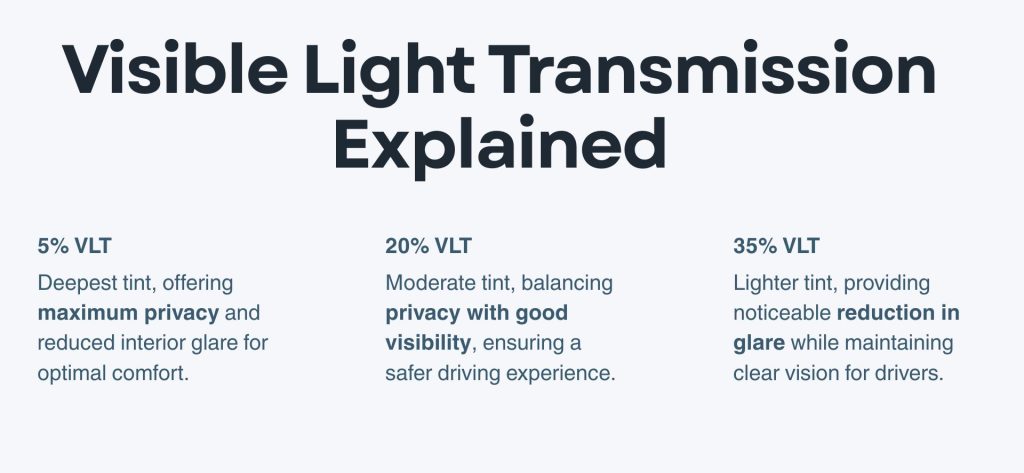
VLT tells you how much light your tint lets through. A film rated at 5% is nearly black; one at 50% barely darkens the glass at all. Go too dark , anywhere in the 5–20% range , and you’ll get maximum privacy, but you’ll also lose visibility once the sun goes down. Most drivers who’ve tested a few percentages land on 20% VLT as the sweet spot: dark enough to keep prying eyes out, light enough that you’re not straining to see at night.
How Long Does Car Window Tint Last?
How long your tint holds up depends entirely on what you paid for:
- Dyed film: 2–3 years before it starts fading or bubbling
- Carbon film: 5+ years with proper care
- Ceramic film: 10+ years, often backed by a warranty to match
Abroad, lifetime warranties on ceramic tint are common enough that drivers treat them as standard, not a bonus. Nigerian shops are catching up, but always ask before you pay , a warranty changes the real cost of the job.
Does More Expensive Tint Actually Offer Better Value?
Not always in the way you’d expect. Dyed film costs less on day one, but you’ll likely replace it twice before a ceramic job needs a second look. Ceramic costs more upfront , sometimes three to five times more , but it holds its clarity, rejects more heat, and tends to add to your car’s resale value rather than detract from it. Judge it by cost per year, not cost per install, and ceramic usually wins.
The Cost of Professional Installation
Labor alone adds ₦10,000 – ₦30,000 on top of the film cost. It’s tempting to shave that off with a roadside fitter, but skip it at your own risk. Drivers who’ve been burned by bad installs point to the same two problems every time: bubbling within weeks, and edges that peel the first time it rains. A professional shop costs more upfront because they’re the ones who keep the film flat and the edges sealed.
The Tinted Glass Permit in Nigeria
Before you book an appointment, know that tinting your windows in Nigeria comes with a legal step a lot of drivers skip , and pay for later.
Is Car Window Tinting Legal in Nigeria?
Yes, but only with a permit from the police, which currently costs around ₦15,000. Tint without one, and you’re driving with a violation the moment you leave the shop.
Do You Need a Permit for Aftermarket Tint?
Yes. If you’ve had tint fitted after buying the car, the permit still applies to you , and enforcement has picked up through 2025, so this isn’t a rule worth gambling on.
What About Factory-Fitted Tinted Glass?
Even if your car rolled off the factory floor with tinted glass already installed, the permit requirement still applies. Nigerian law doesn’t distinguish between aftermarket and factory tint , only whether you’re carrying the paperwork.
Benefits of Car Window Tinting
Cost aside, tint earns its place on a Nigerian car for reasons that go well beyond looks.
Comfort & Safety
- Heat rejection keeps the cabin cooler, so your AC works less and your fuel goes further.
- UV protection shields your skin on long drives and slows the fading and cracking of your dashboard.
- Glare reduction cuts down headlight glare from oncoming traffic, which matters more on unlit roads at night.
Privacy & Security
Tint keeps prying eyes off your valuables and off you , a real deterrent for opportunistic theft in traffic. Beyond privacy, the film itself adds a layer of shatter resistance, holding broken glass together if you’re ever in an accident instead of letting it scatter across the cabin.
Real-World Car Tinting Price Examples in Nigeria
Price lists are useful, but real listings tell you what shops are actually charging.
** For Instance – Small Sedan in Lagos**
A basic tint job on a small sedan typically falls within the ₦30,000–₦70,000 range. One current Lagos-area listing prices a straightforward car tint installation at ₦35,000 , a solid reference point for a budget-conscious sedan owner.
- Tint installation: ₦35,000
- Total: ₦35,000
Note: This reflects one market listing, not a fixed price across every installer. Film quality, vehicle size, and installer skill can all move the number up or down.
Another Instance – SUV in Abuja
Suppose you’re tinting an SUV with premium ceramic film. Current Nigerian listings put ceramic installation somewhere between ₦150,000 and ₦180,000, with some premium packages climbing as high as ₦300,000. A realistic breakdown looks like this:
- Premium ceramic tint: ₦180,000
- Installation: Included in the quoted package
- Tinting cost: ₦180,000
The final number moves depending on the SUV itself, the film brand, whether the windscreen is part of the job, and who’s doing the installing.
Another Instance – Larger Vehicle / Commercial Bus
Bigger vehicles push into a higher price bracket for a simple reason: more glass means more film and more labor. Nigerian pricing guidance consistently places vans and buses above small cars and SUVs. Take an installer quoting ₦120,000 for a carbon-film package on a commercial bus:
- Carbon tint package: ₦120,000
- Installation: Included
- Total: ₦120,000
Don’t treat that ₦120,000 as a fixed market rate, though. Get a vehicle-specific quote , the number and size of a bus’s windows can swing the price considerably from one vehicle to the next.
Tutorials & How-To Guides
How to Choose the Right Tint
Match the film to how you actually use the car, not just how dark you want the glass. Factor in your budget, the climate you’re driving in, and whether the car sits in direct sun most of the day. One rule worth following without exception: skip metalized tint if your car has a GPS tracker. The metal content in that film can interfere with the signal, which defeats the purpose of having the tracker installed in the first place.
How Long Does Tint Take to Cure?
Give it 24–48 hours before you roll any windows down , do it sooner and you risk lifting the edges before the adhesive sets. Full curing takes longer, up to two weeks in Nigeria’s humid climate, since moisture in the air slows the process down compared to drier conditions.
How to Remove Car Window Tint
Removing old tints is a job for patience, not speed. The typical process:
- Warm the film with a heat gun to loosen the adhesive.
- Lift a corner with a razor blade, working carefully to avoid scratching the glass.
- Peel the film back slowly, reheating sections that resist.
- Clean off the remaining adhesive residue with an adhesive remover.
Expect to pay ₦10,000–₦25,000 for professional removal, depending on the size of the vehicle.
Getting a Car Window Tinting Quote
Don’t settle for the first number you hear. Compare quotes from at least two or three shops before booking. While you’re at it, ask each one directly about the film brand they use, what warranty comes with it, and how long the curing time will be. The advice that comes up again and again from drivers who’ve been through this: never compromise on installer quality just to save a few thousand naira.
Frequently Asked Questions About Car Window Tinting Prices
How Much Does It Cost to Tint a Car in Nigeria?
Expect to pay anywhere from ₦30,000 to ₦250,000 or more, depending on the film type and the size of your vehicle.
How Much Does Ceramic Tint Cost?
Locally, ceramic tint runs ₦150,000–₦250,000 or higher. Abroad, the same job costs $400–$600.
What Is the Cheapest Type of Car Tint?
Dyed film, at around ₦30,000, is the most affordable option on the market.
How Much Does Full-Car Tinting Cost?
A full-car job typically falls between ₦80,000 and ₦250,000 or more, depending on the vehicle and film.
How Long Does the Window Tint Last?
Anywhere from 2 to 10+ years, depending entirely on the film type you choose.
Is Ceramic Tint Worth the Extra Cost?
Yes, according to the consensus among drivers who’ve compared it directly , the heat rejection and clarity you get make the higher price worth it.
Is Car Window Tint Legal in Nigeria?
Yes, as long as you have a police permit to go with it.
Ready to Tint Your Car?
With exact price ranges, film specs, and police permit rules in hand… The last step is picking a shop that won’t cut corners. Get a couple of quotes, ask the right questions about film and warranty, and sort out your permit before , not after , you drive off. Do that, and you’ll spend your naira once instead of twice.